The Best Non Surgical Lifting in Korea Without Going Under the Knife
As skin laxity and early sagging become noticeable with age, non surgical lifting Korea offers a targeted solution without the downtime of surgery. This approach uses focused ultrasound or radiofrequency energy to stimulate collagen production deep within the skin, gradually tightening and lifting facial contours. The result is a natural-looking rejuvenation that develops over a few weeks, requiring no incisions or significant recovery. For the best outcome, a typical session lasts under an hour, and you can resume daily activities immediately, with visible firming after three to four weeks.
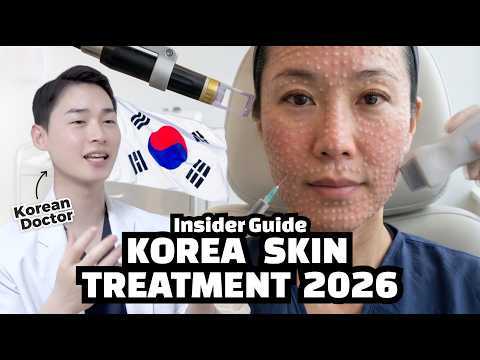
What Exactly Is a Non-Surgical Face Lift in Korea and How Does It Work?
A non-surgical face lift in Korea is a customized, multi-modal procedure that restores facial volume and tightens sagging skin without incisions. It works by combining technologies like high-intensity focused ultrasound (HIFU), radiofrequency (RF) microneedling, and thread lifting. The process for non surgical lifting Korea typically starts with a 3D facial analysis, then clinicians map where collagen is depleted. HIFU delivers focused energy deep into the SMAS layer, triggering immediate contraction and long-term collagen remodeling. RF microneedling penetrates the dermis to heat tissue, shrinking lax skin while boosting elasticity. Meanwhile, dissolvable PDO threads are inserted under the skin to physically lift the mid-face and jawline, offering instant structure. Over 8–12 weeks, your body produces new collagen, creating a natural, lifted contour. The entire session takes 60–90 minutes, and you can return to daily activities immediately. The visible “lift” peaks around three months post-treatment, with results lasting up to two years.

The Core Technologies: Ultrasound, Radiofrequency, and Laser Explained
In Korea, non-surgical lifts lean on three core technologies, each targeting different depths. Ultrasound, like HIFU, fires focused energy deep into the SMAS layer to tighten and lift sagging tissue—think of it as a “lazy facelift” with gradual collagen rebuilding. Radiofrequency, or RF, warms the dermis to stimulate skin tightening and smoothing, ideal for mild laxity and texture issues. Laser, such as Erbium or CO2, resurfaces the top layers to shrink pores and firm the surface. Choosing between ultrasound, radiofrequency, and laser depends on your laxity severity and downtime tolerance—Korean clinics often stack them for layered results.
- Ultrasound reaches deepest for structural lifting.
- RF is gentler, targeting skin plumpness and contour.
- Laser excels at surface texture and pore refinement.
Why Korean Clinics Specialize in Lifting Without a Scalpel
Korean clinics specialize in lifting without a scalpel because their patient base prioritizes rapid social recovery and zero visible downtime. The cultural expectation to return to work or social engagements within 24–48 hours drives demand for techniques that remodel facial fat compartments and collagen without surgical scars. This focus has pushed clinics to refine non-surgical lifting Korea protocols using targeted ultrasound or RF energy, which deliver immediate tissue contraction while triggering long-term neocollagenesis. Practitioners here tailor thread-lift depths and energy levels to thinner Asian skin, optimizing lift results while minimizing bruising. The result is a precision-driven approach where procedural speed, comfort, and subtle, natural-looking volume repositioning replace the recovery burden of a knife.
- Ultrasound and RF devices allow layered treatment—from deep SMAS to superficial dermis—mimicking surgical tension with zero incisions.
- Thread lifts are placed along Korean facial bone structure to correct sagging jowls and hollow temples using absorbable barbs, not sutures.
- Clinics combine multiple modalities (e.g., HIFU + PDO threads) in one session to achieve a composite lifting effect that rivals mini-facelift outcomes.
What Are the Main Types of Non-Invasive Lifting Procedures Offered in South Korea?
In South Korea, the main types of non-surgical lifting Korea clinics offer revolve around energy-based and thread-based technologies. HIFU (High-Intensity Focused Ultrasound) remains a top choice, targeting deep SMAS layers to tighten sagging jowls and cheeks without downtime. Another pillar is RF (Radiofrequency) lifting, like Shurink or Thermage, which heats dermal tissue to stimulate collagen, ideal for thinner skin and jawline definition. For immediate mechanical lift, PDO thread lifts are exceptionally popular, using dissolvable barbed threads to physically reposition drooping tissue while boosting elastin. You’ll also find combination protocols—such as HIFU plus RF or threads—tailored to severity. A crucial detail: Korean clinics often prioritize “lifting layers,” meaning the exact depth and energy type are selected based on your facial fat volume, not just age. Each procedure typically requires only topical anesthesia, with results visible over 2–6 weeks.

Shockwave vs. Thread Lifting: Which Method Suits Your Skin Sagging?
When deciding between shockwave and thread lifting for sagging skin in Korea, think of it as choosing between a gentle wake-up call and a structural fix. Shockwave therapy uses acoustic energy to stimulate collagen and tighten mild laxity, perfect if you want zero downtime and a gradual glow. Thread lifting, however, physically anchors dissolvable barbs to lift moderate sagging, giving instant, more dramatic results. For early sagging around the cheeks, shockwave wins; for jowls or a defined jawline, threads are your go-to. A common question: **Which method suits your skin sagging best?** Honestly, it depends on severity—shockwave for maintenance, threads for correction, or combine both for layered support.
Combining HIFU and RF for Deeper Tissue Tightening
In Korea, clinics often pair HIFU and RF in one session for a layered lift. HIFU hits the SMAS layer with focused ultrasound, while RF heats the dermis and fat for collagen contraction. This combination tackles Sofwave in seoul both deep structural sagging and surface laxity, giving you a more complete result than either alone. Since HIFU works deeper and RF targets mid-layer tissues, you’re essentially tightening from the inside out. Most sessions take under an hour, with mild redness that fades quickly. It’s a smart choice if you want deeper tissue tightening without downtime.
- HIFU targets the SMAS layer; RF addresses the dermis, covering two depths.
- Sessions often combine both energies sequentially for immediate and progressive tightening.
- Results typically appear gradually over 2–3 months as collagen remodels.
- Back-to-back treatment helps smooth the transition between superficial and deep tissue responses.

How Do You Choose the Right Procedure for Your Face Shape and Skin Type?
Choosing the right non-surgical lifting in Korea starts with mapping your face shape, not just your skin concerns. For a round or square face, focus on vertical lifting procedures like thread lifts or focused ultrasound to add definition and slim the jawline, whereas an oval or long face may benefit from volumizing fillers or collagen-stimulating treatments to restore mid-face balance without elongating proportions. Your skin type determines the energy modality: thin or dehydrated skin tolerates gentle HIFU better than aggressive RF needling, while thick, oily skin responds effectively to deeper monopolar RF for firmness. Additionally, if you have sagging jowls, prioritize SMAS-tightening threads; if you have hollow temples, combine lifting with filler. Always request a Korean clinician who palpates your facial fat compartments and checks skin laxity under the chin, then maps the vector of lift against your natural contours.
The procedure chosen must mirror your facial skeletal structure—never the reverse—so a V-line thread pattern suits a wide jaw, while a buccal-area lift suits a long face.
This tailored assessment prevents the “overlifted” look and ensures results that harmonize with your unique anatomy.
Assessing Your Skin Laxity: What to Tell the Consultant Before Booking
Before booking your non-surgical lift in Korea, precisely map your laxity zones—the mid-cheek, jawline, and neck often age at different rates. Tell the consultant whether your skin feels like “crepe paper” (thin, crinkled) or “dough” (thick, heavy), and how many fingers you can pinch along your nasolabial fold. Mention if you lose definition after smiling or when leaning forward, as this reveals gravitational versus dynamic laxity. Do not forget to state if your laxity follows recent weight loss, since post-weight-loss laxity requires deeper energy delivery than mild age-related sagging. Finally, specify if your skin rebounds immediately after stretching—this signals good elasticity, guiding the consultant toward RF microneedling rather than lifting-focused threads.
Key Differences Between a “Lunchtime Lift” and a Longer Session
A “lunchtime lift” in Korea targets early sagging with light threads or botulinum toxin, delivering subtle, no-downtime refreshment that fades within hours. A longer session, however, combines high-intensity focused ultrasound (HIFU) or deep-buried threads to reorganize facial fat compartments and fascia, producing structural lifting over weeks. The first suits your busy schedule and mild laxity; the second addresses significant volume loss or jowls requiring a single, decisive result. Recovery differs sharply—lunchtime means immediate makeup; longer sessions may involve swelling and temporary dimpling. Choose based on your skin’s elasticity, not just time off—if your cheekbone fat has descended, a longer procedure delivers durable contour, while a quick lift merely primes it.
What Results and Recovery Timeline Can You Expect After a Korean Non-Surgical Lift?
After a Korean non-surgical lift, you can expect initial tightening and a mild lifting effect immediately, but the true results develop gradually as collagen remodels. Most patients notice visible firmness within 2–3 weeks, with peak outcomes appearing between 6 and 12 weeks post-treatment. The results and recovery timeline after a Korean non-surgical lift are designed for minimal downtime: mild redness or swelling typically resolves within 24–48 hours, and you can return to normal activities the same day. Avoid strenuous exercise and facial massage for the first week to protect the treated tissue. The lifting effect generally lasts 12–18 months, depending on your skin’s laxity and chosen modality, such as HIFU or RF. Maintenance sessions at 12 months help sustain your refreshed contour.
When Will You See Immediate Tightening vs. Collagen-Building Results?
Right after your session in Korea, you’ll notice that *instant* snap—that’s the immediate tightening from heat or ultrasound, which shrinks collagen fibers for a quick, temporary firmness. Don’t mistake this for the real deal, though. **Collagen-building results from a Korean non-surgical lift** kick in slowly, starting around week two to three, as your skin produces fresh structural support. You’ll see the peak of that new volume and lift between one and three months post-treatment. So, enjoy that instant glow, but be patient—the lasting, visible lift is a gradual reward that builds over time.
Immediate tightening is a fleeting preview; genuine collagen-building results appear after weeks and peak by month three.
Managing Post-Treatment Redness, Swelling, and Downtime in Seoul
In Seoul, managing post-treatment redness, swelling, and downtime after a Korean non-surgical lift begins immediately in the clinic, where cooling masks and LED therapy are standard to curb initial inflammation. For the first 24–48 hours, expect visible redness and mild edema, which you can control by sleeping with your head elevated and applying cold packs for 10-minute intervals. Most clinics provide a “recovery kit” with topical ointments, but strict sun avoidance and skipping saunas or intense exercise for one week are non-negotiable for reducing prolonged swelling. *Swelling often peaks on day two, making makeup your best friend before returning to sightseeing by day three.*
Managing post-treatment redness and swelling in Seoul also means leveraging the city’s pharmacy network—ask your clinician for a specific brand of arnica cream or oral bromelain, readily available in Myeongdong, to accelerate resolution. Downtime rarely exceeds three days, but deep thread lifts may cause bruising that lingers five to seven days; use concealer with green undertones to neutralize discoloration. Always confirm your hotel has air conditioning, as heat exacerbates facial puffiness.
Q: How do I minimize downtime while navigating Seoul’s busy streets?
A: Book your session late afternoon, return to your hotel with a cooling gel mask, and avoid mask-wearing friction for the first 48 hours—use a loose-fitting cloth mask if needed. Ice packs from convenience stores (GS25) are a quick fix, but never apply ice directly to skin.
How Much Does It Cost and How Many Sessions Do You Actually Need?

In Korea, non-surgical lifting costs typically range from ₩300,000 to ₩1,500,000 per session, depending on the device—think Shurink, Ultraformer, or Thermage—and the clinic’s prestige in Gangnam. Most patients need **3 to 5 sessions** spaced four weeks apart for visible collagen remodeling, though mild laxity may respond after just 2. Realistic budgeting means planning around ₩1,500,000 to ₩4,500,000 total. How many sessions are non-negotiable? If you’re under 35 with good skin tone, 2–3 often suffices; over 40, expect 4–5 to tackle deeper sagging. Clinics frequently bundle discounts for package deals, so ask upfront—a single session rarely delivers the dramatic “lift” Koreans showcase, and maintenance every 6–12 months becomes part of the cost equation.
Typical Price Ranges per Area and Package Deals for Travelers
In Korea, non-surgical lifting costs vary sharply by zone, with the forehead typically ranging ₩150,000–₩300,000 per session, while the full face or jawline runs ₩400,000–₩800,000. Clinics in Gangnam’s upscale Apgujeong district charge 20–40% more than those in Hongdae or Myeongdong for identical devices like Shurink or Ultraformer. For travelers, package deals are the real money-saver: a 3-session bundle for face+neck often drops to ₩900,000–₩1.5M, including complimentary skin-boosting shots or a lifting mask. Many hospitals also offer “foreigner-only” packages pairing two areas (e.g., eyes+cheeks) at ₩600,000–₩1M, plus a free consultation translation service. Always confirm whether each price covers anesthesia cream, aftercare, and touch-ups—these hidden add-ons can inflate your bill by 30%.
Factors That Extend or Shorten the Number of Required Visits
The number of sessions for non-surgical lifting in Korea isn’t fixed—it flexes with your skin’s starting condition, age, and collagen response. Younger patients with mild sagging often need just one or two visits, while deeper fat loss or laxity can stretch it to four or five. Your treatment protocol and device choice directly shift the required visit count, as stronger RF or ultrasound settings mean longer downtime but fewer rounds. Maintenance visits every 6–12 months can either shorten your initial plan if you start early, or add on if you delay. Listen to your clinician’s assessment, not a package deal.
- Thicker skin and good elasticity shorten visits; thin, sun-damaged skin extends them.
- Combining lifting with fillers can reduce total lifting sessions.
- Skipping aftercare or touch-ups forces more corrective visits later.
What Are the Most Common Mistakes to Avoid When Getting a Non-Invasive Lift in Korea?
The biggest mistake when booking a non-surgical lifting Korea procedure is chasing the lowest price on apps like Gangnam Unni without verifying the actual device being used. Many clinics advertise “ultrasound lifting” but substitute weaker, older machines, leaving you with zero results. Always demand the exact device name (e.g., Shurink, Ultraformer III) in writing before paying. Another common error is over-treating—stacking multiple sessions too close together causes fat loss and sagging, not tightening. Also, ignore the “no downtime” hype; you will have swelling and tenderness, so plan for a few quiet days.
Finally, don’t expect a non-invasive lift to fix severe skin laxity—if your doctor doesn’t warn you about this, walk away.
Choose a clinic that does a face analysis first, not a blanket treatment.
Over-Treating Thin Skin and Other Risks of Aggressive Settings
In Korea’s non-surgical lifting market, over-treating thin skin with aggressive settings is a frequent misstep that compounds existing fragility. High-energy ultrasound or RF parameters intended for thicker dermis can cause subcutaneous fat atrophy, persistent erythema, or even contour irregularities on delicate facial tissue. Clinicians should first assess skin thickness via impedance or ultrasound mapping, then reduce fluence and pass counts for periorbital or cheek zones. A conservative protocol, repeated after three months, yields safer results than a single maximal session. Watch for immediate excessive pain, prolonged swelling, or peau d’orange texture—these signal overtreatment. If symptoms appear, halt further procedures and use cooling therapy plus barrier-repair ointments. For thin skin, always prioritize depth calibration over power escalation; never assume “more is better” because Korean devices often cap at lower default levels for safety.
Why Checking the Device’s Authenticity and Session Count Matters
When you’re booking a non-surgical lift in Korea, double-checking both the device’s authenticity and the exact number of sessions in your quote is a total game-changer. Some clinics might show you a genuine ultrasound or HIFU machine during consultation, then switch to a cheaper, weaker knock-off for the actual procedure—so ask to see the cartridge being opened right in front of you. Session count matters just as much, because a “one-time special price” often means fewer passes over your skin, which directly cuts results. *A properly lifted face usually needs two to three sessions spaced weeks apart, not one rushed blast.* Before paying, confirm the device model and total shots on your receipt, and avoid vague packages that say “up to” anything. Being specific protects both your face and your wallet. Verifying device authenticity and session count is your best safety net for real, lasting tightening.
How to Maintain Your Lift Results with Skincare and Follow-Up Appointments
Sustaining your non-surgical lift in Korea depends on disciplined skincare and scheduled touch-ups. Immediately post-procedure, use only the gentle, barrier-repairing products your clinic provides, avoiding actives like retinoids or acids for at least a week. Daily, high-factor sunscreen is non-negotiable, as UV exposure degrades collagen and hastens the breakdown of lifting threads or filler. Later, integrate antioxidant serums (vitamin C) to support collagen synthesis. Book a follow-up at the 4–6 week mark so your practitioner can assess settling and perform micro-boosts where volume has diminished. Consistent follow-up appointments every 6–12 months lock in the architectural lift before laxity returns.
- Schedule a review appointment 4–6 weeks after your procedure to evaluate results.
- Apply SPF 50+ daily, even indoors, to protect collagen remodeling.
- Introduce growth-factor or peptide creams only after your doctor greenlights them.
- Plan maintenance sessions at 6–12 month intervals based on your provider’s assessment.